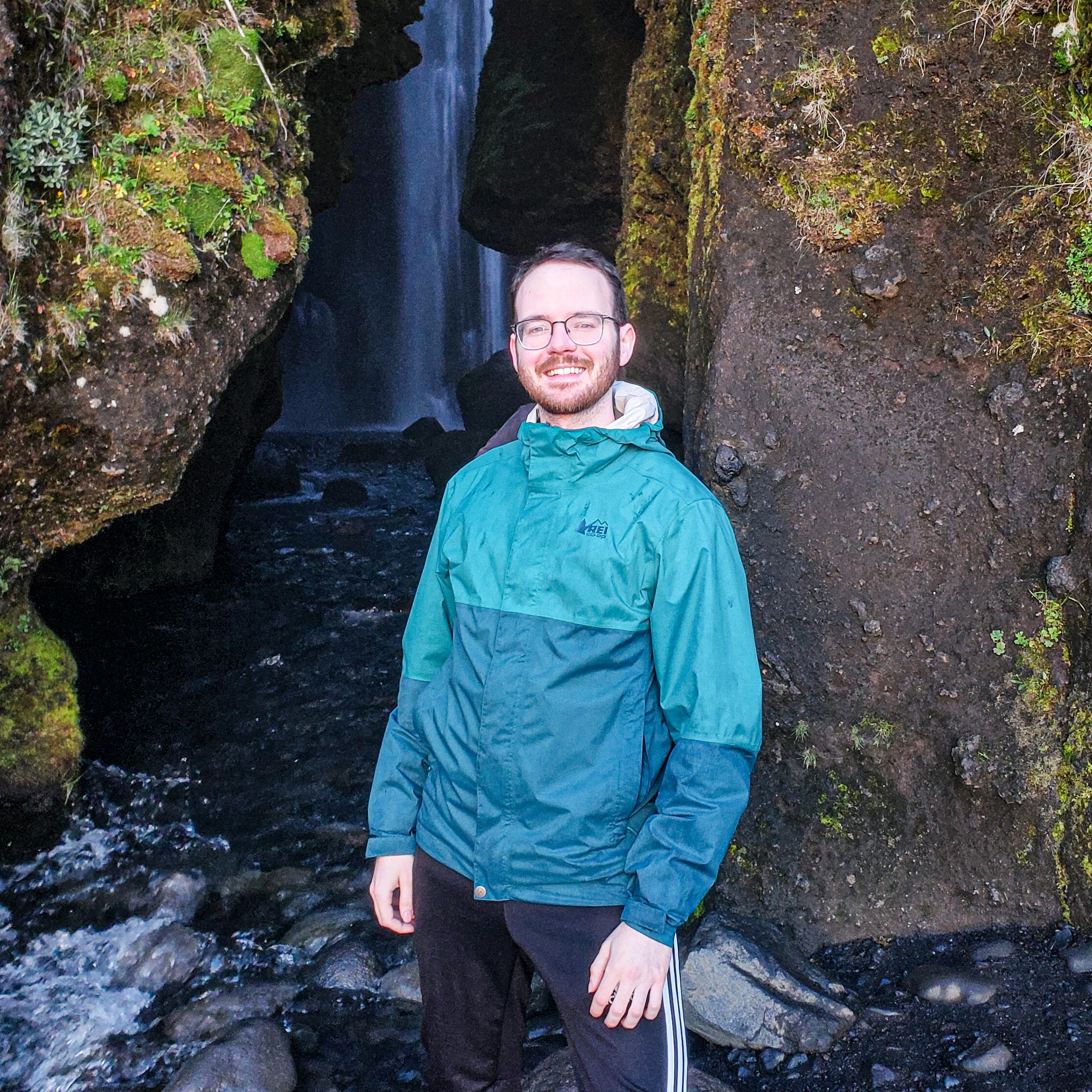
Hullooooooo. My name is Sean :-) Thanks for visiting my super cool site. To introduce myself:
- I live in the DMV (this means the Washington, D.C. metro area for all those that are not in the DMV ;)
- I am an absolute fan of many things, but two of the most prominent (maybe?) are nature and space. To me, though, those are two ways of referring to the same thing. Within those, I am particularly fond of birds, microscopy, ethology (animal behavior), and exoplanets.
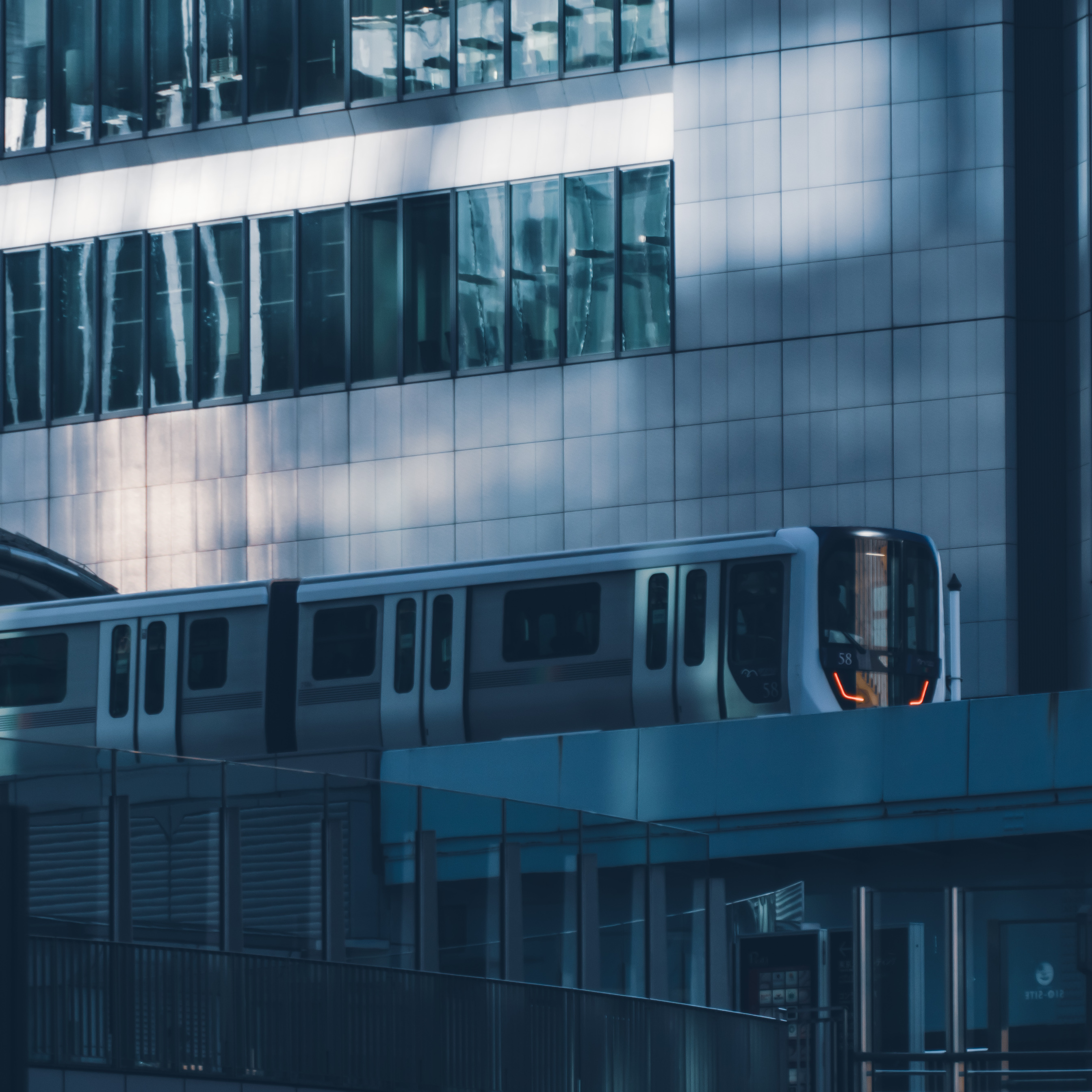
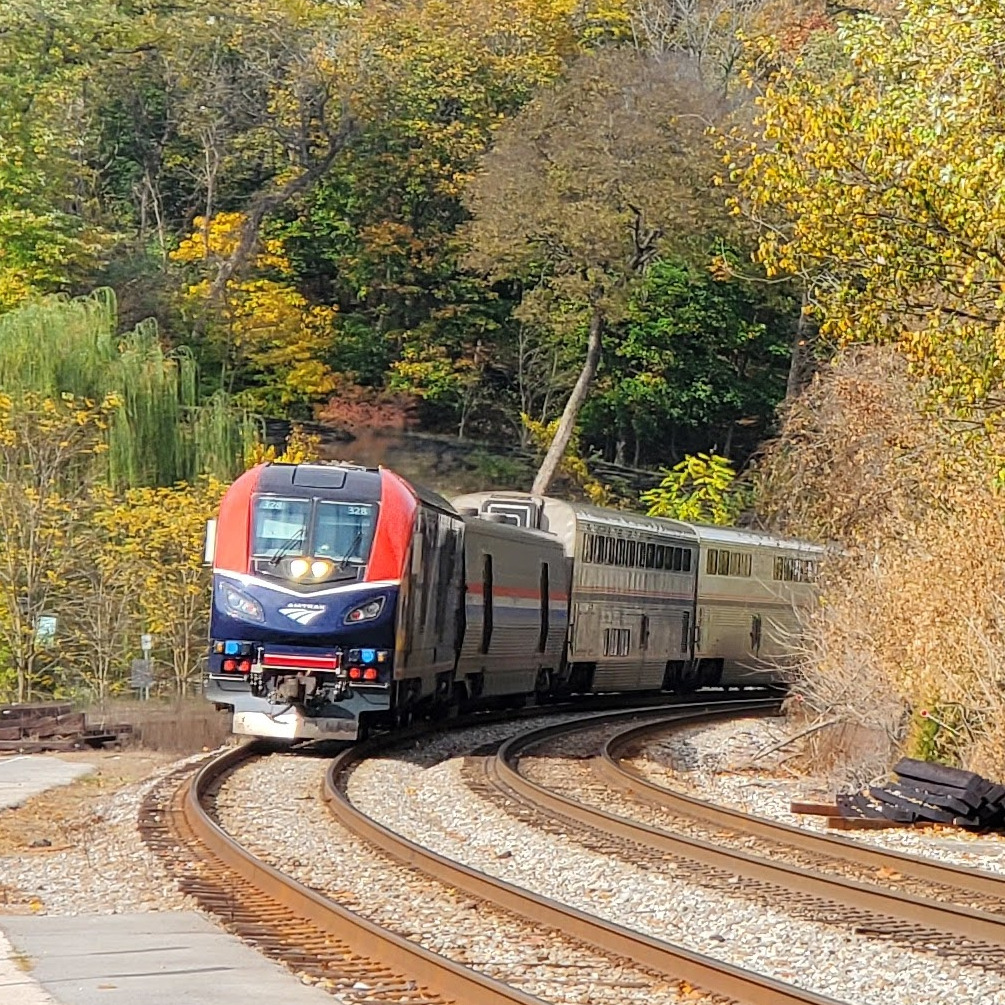
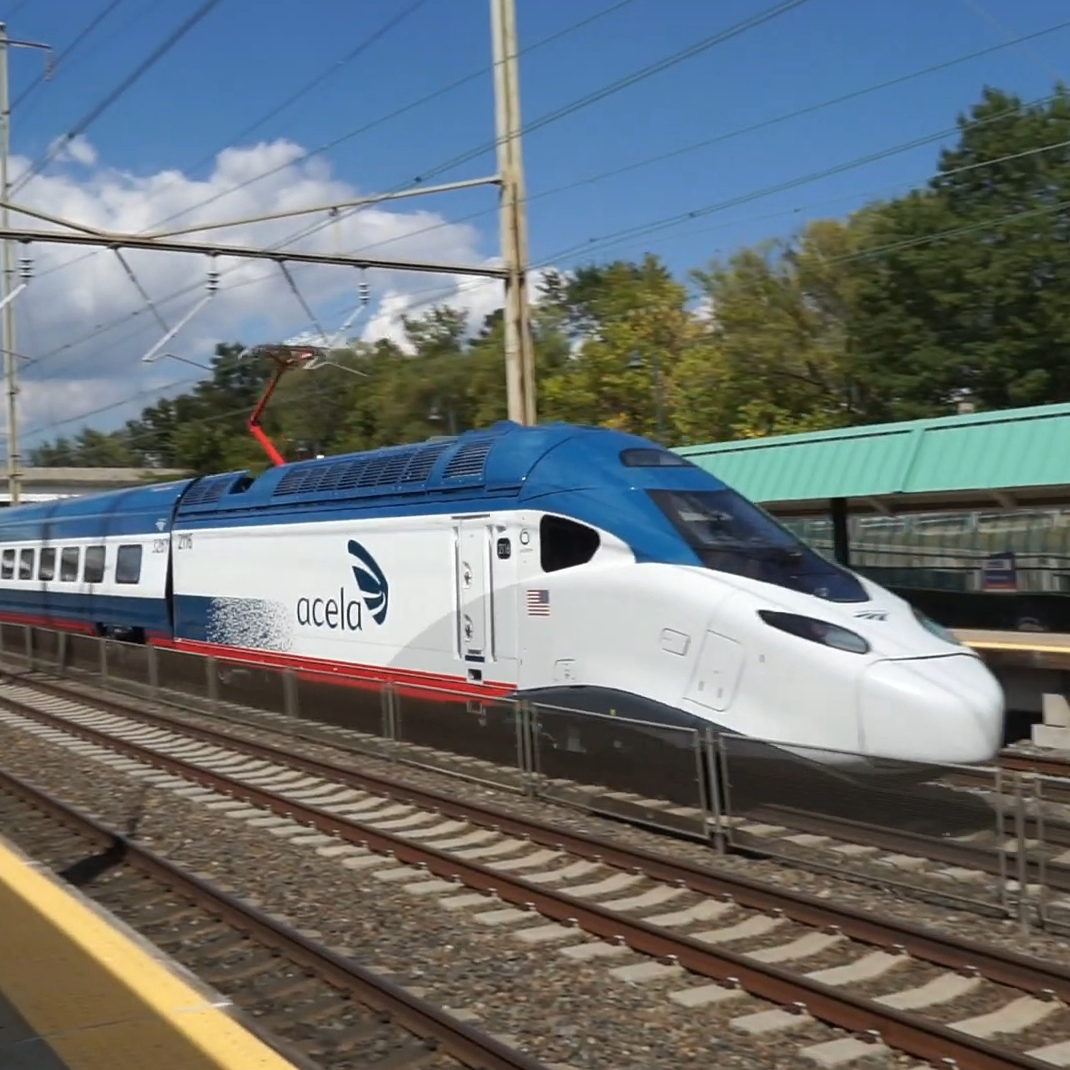
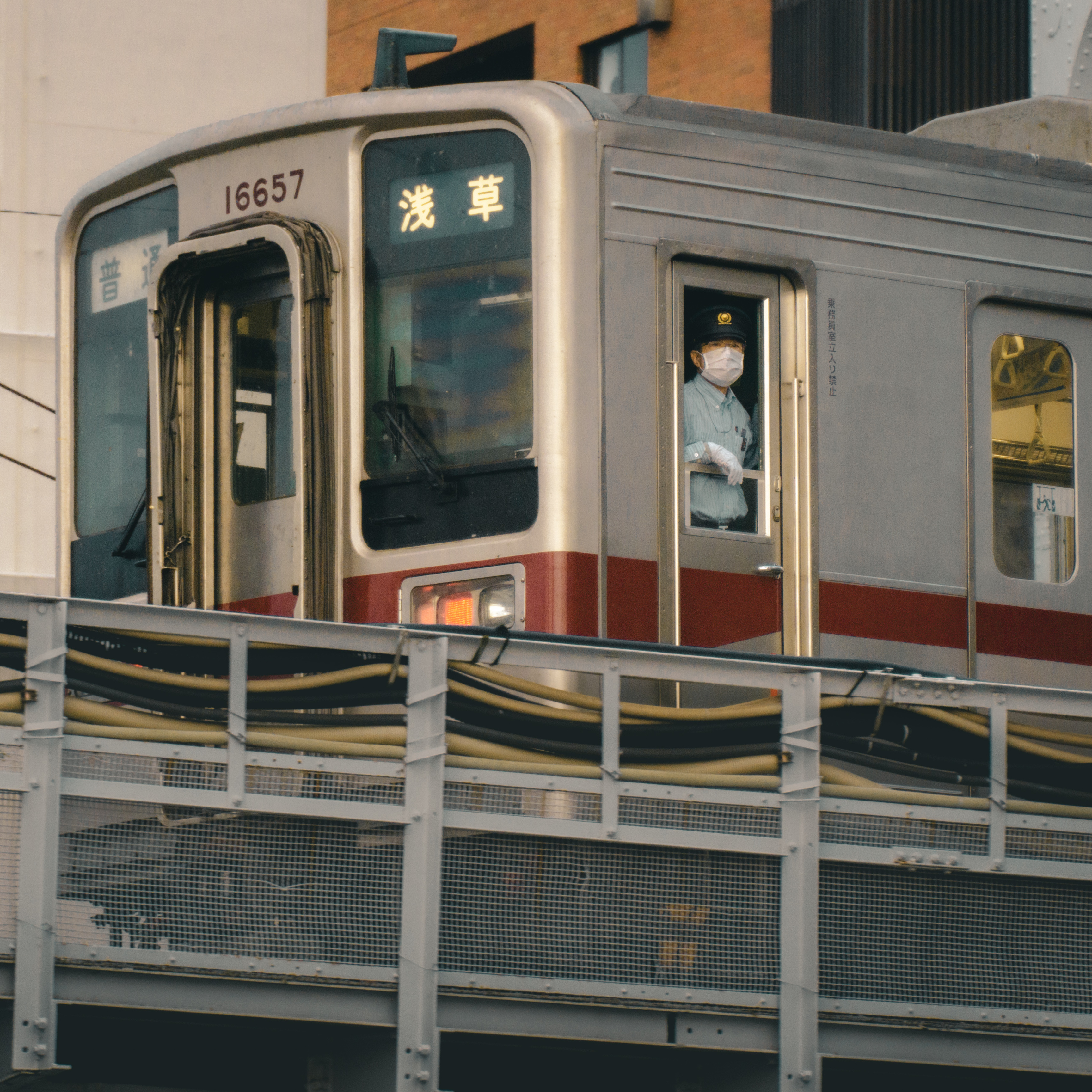
- I also really enjoy trains. In the US, I for some reason quite like MARC commuter trains pulled by an SC-44, and of course I am a big fan of Brightline
in Florida, SunRail in Orlando, and the DC Metro. There are way too many trains in Japan that I absolutely love to have a favorite, though, but some that
need to be mentioned are the Yurikamome, Tokyo Monorail, the Chuo-Soubu line, and the Hakone Tozan Tetsudo.
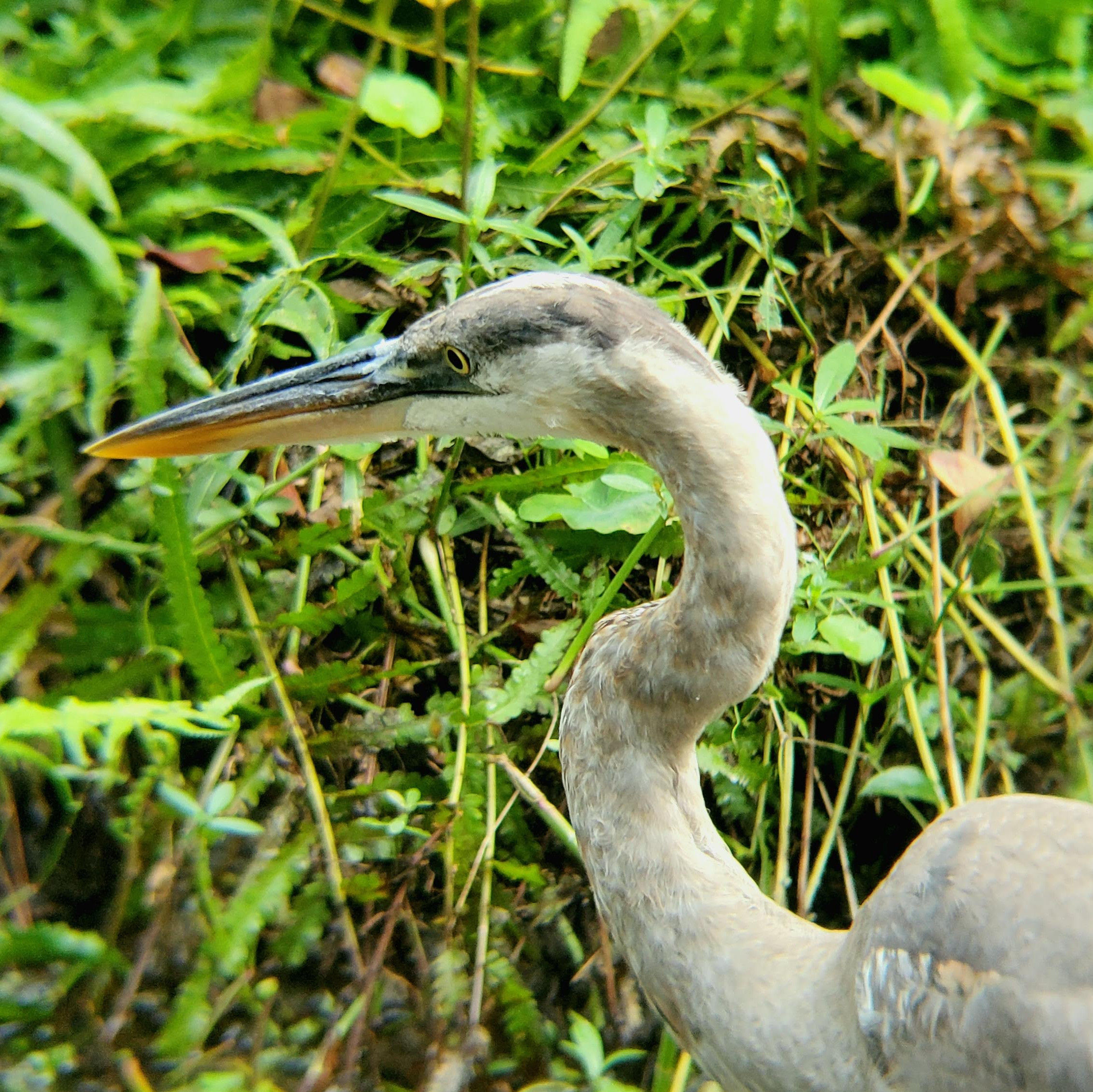
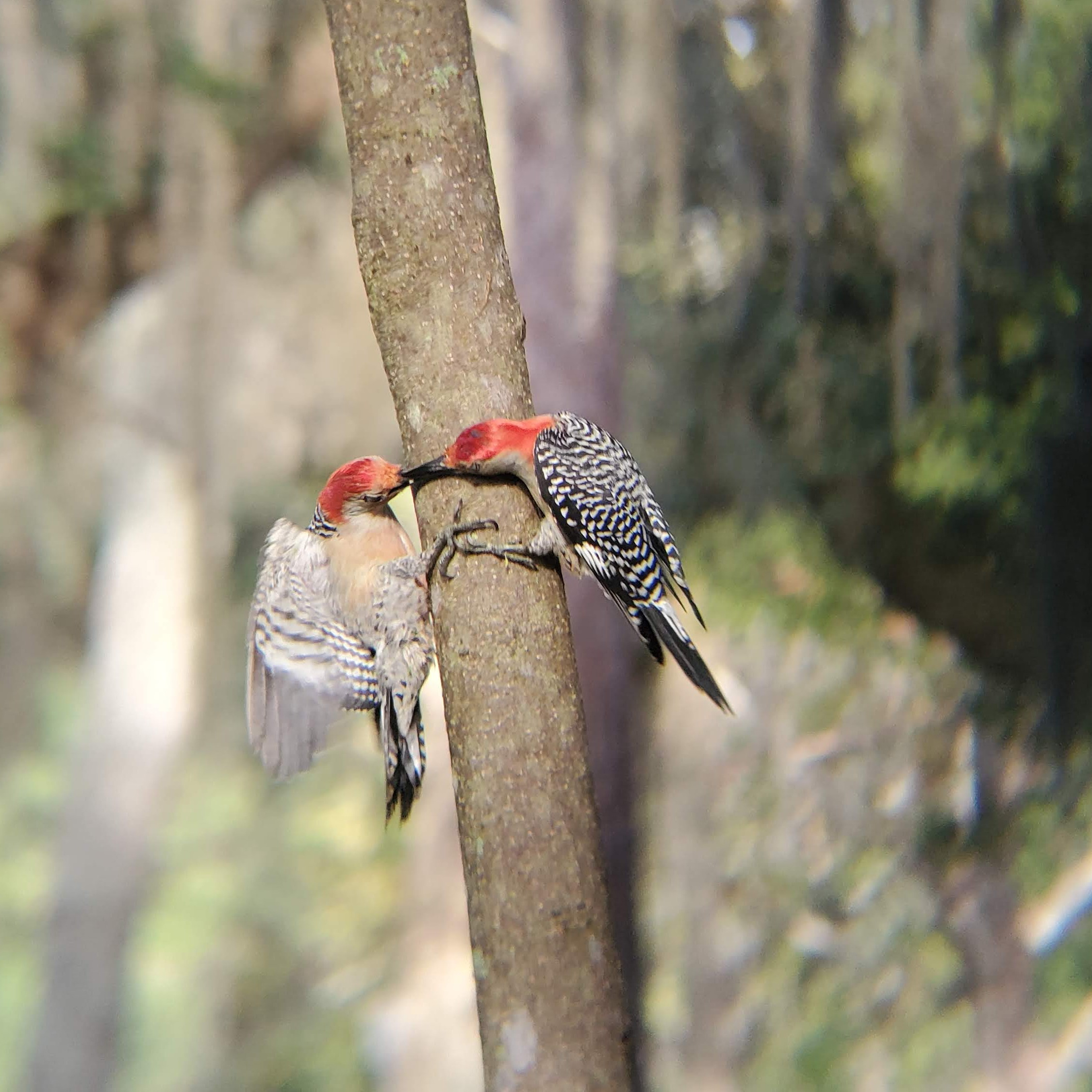
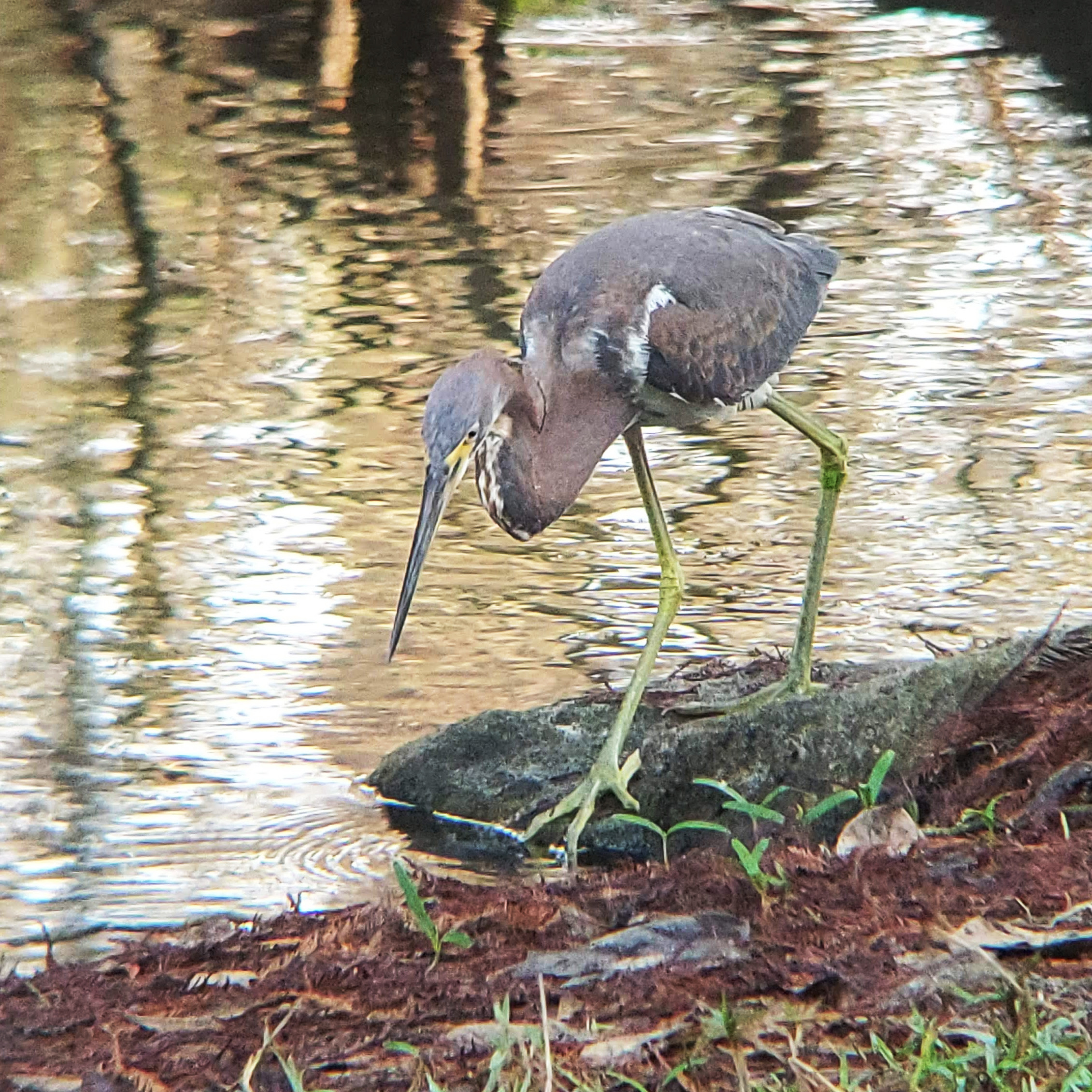
- When I lived in Florida, I was quite into birding. I seem to have traded the ability to bird at any time with the ability to ride a train at any time due to now living on the DC metro, but I still love them. I especially miss the nonchalance of a little blue heron waltzing their way along the shore of a small pond just feet from me. Ardea and egretta are the best genera (among aves), fight me. (But yes, all birds deserve love.)
- I have spent many years studying Japanese language, and know almost all of my friends and my community through it. Nowadays I mostly just read books or listen to podcasts every now and then, but my favorite type of rabbit hole to dive into are the intricate, nuanced histories of the evolution of individual characters themselves - stories that span over thousands of years, with generations upon generations of people throughout China writing things ever so differently as styles, media, and culture evolved. Each Chinese character itself is both at once a story and a system, and the absurdity of employing them in a non-Sinitic language is both hilarious and forever captivating.
- For work, I write code for the Hubble, James Webb, and Roman space telescopes at the Space Telescope Science Institute. Previously, I worked in the Launch Control Center at Kennedy Space Center in Florida, doing simulation software for Artemis launches.
On the homepage, three stars are shown especially bright - these comprise the Summer Triangle - the stars Altair, Vega, and Deneb. (In real life, Deneb is about 100x further away from us than Vega and Altair, so take it as a... representation). One night in October, 2025, I traveled with a group of friends to visit one of our friends that had moved a couple years prior to O'ahu. I took everyone to the north shore to the beach Laniakea, as it shares a name with the supercluster of galaxies we are a part of. As the rain stopped and the clouds faded, we first saw the brightest stars of the Summer Triangle. For the rest of the night, whenever any of us spotted a star, satellite, or meteor, we described its location in the sky relative to Altair, Vega, or Deneb.
On the adventures page, you can see a globe of Earth marked by my travels, and on the thoughts page, you can see a planetary system where each planet links to a blog post.